Spring in New Jersey didn’t get off to such an easy start. Every sunny day we had was followed by rain and cold, and the cycle went on and on. But hurray! We are finally past it — and can see the sun and the bounty that comes with spring. And what a bounty it is! With this in mind, let’s look at what’s in season for local produce in New Jersey.
Shari Bilt Boockvar, RDN, Kings Food Markets Nutritionist, agrees. “New Jersey has a wonderful selection of produce that we grow right here in our own backyard. Spring is a wonderful time to look for fresh, colorful and nutritious foods.”
When you visit the farmer’s market or supermarket, she suggests looking for colors of the rainbow (we all remember Roy G. Biv, right?) since they contain a variety of vitamins, minerals and antioxidants.
What to Look for
“You can find your usual bounty fruits and vegetables such as: asparagus, green beans, broccoli, pineapple, strawberries, corn, and spinach,” she says. But why not use this opportunity to try new foods and recipes? Spring is the season that some delicious local produce — including purple asparagus, green garlic and morels — are available.
No matter what you are looking for, make sure you pick right. Shari says there is a method to selecting produce. Obviously, the first rule is to buy in-season. The NJ Department of Agriculture has an in-season calendar to showcase the months certain fruits and vegetables are available.
Next, know what local produce you want.
“As a general rule, look for vibrant, rich colors. Also rely on your senses; feel free to touch and smell produce and avoid those that are bruised and/or wilted. If you have any questions, we have a wonderful King’s produce team that are always happy to help you select the produce you are looking for.”
Artichokes
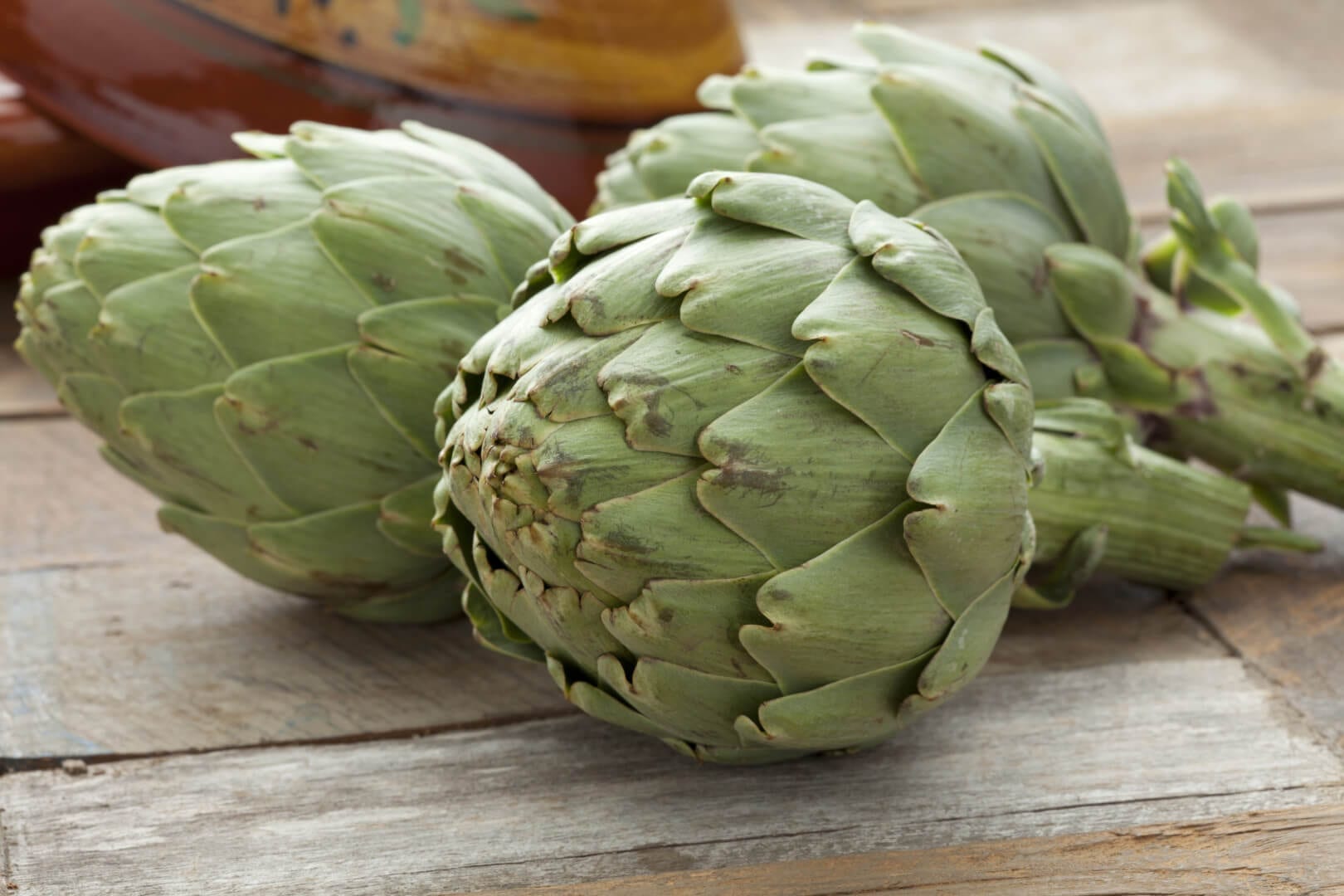 Artichokes are a spring delight. They can be steamed, stuffed, sautéed or braised. They do show up again in fall, but their main harvest is in spring.
Look for: Tight, compact leaves with fresh-cut stem ends.
How to store: These keep best loose in your crisper drawer. Be sure to set your humidity level high so they don’t wilt. Don’t wash before storing, save that for when you’re ready to cook with them.
Asparagus
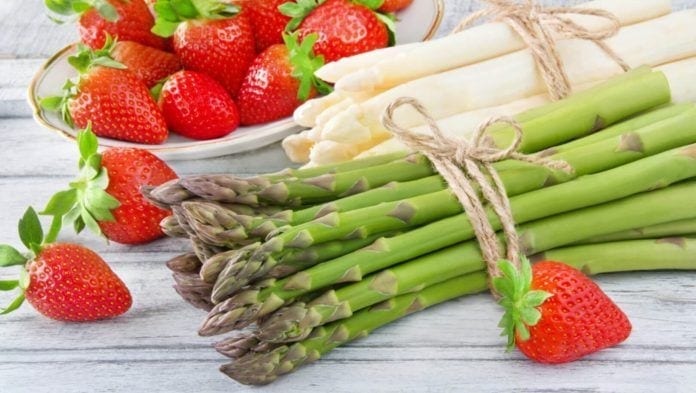
Asparagus is one of the most delicious of spring’s bounty and is grown in both white, green and purple varieties.
Look for: Firm stalks with tips that are closed tightly, dry and not bruised
How to store: Think of asparagus as a flower. So, store them like one: upright in a vase or jar with the roots immersed in about two inches of water. Cover the top with an open Ziploc to keep moisture in.
Corn
 This is one of the first veggies you see popping up at roadside farmer’s stands and in the supermarket come early spring.
Look for: Pull back the husk and check for fresh silk and plump kernels
How to store: Since corn can go bad quickly, it is best to use it right after purchasing. If you did stock up and want to store, don’t shuck. Instead, place unwashed ears in a perforated plastic bag or produce bag snipped with a few holes in it. It will stay fresh about two days.
Fresh Lettuce
Spring is a great time to get creative with your greens. There’s fresh mature lettuce available, baby lettuce, and even younger microgreens.
Look for: Intact leaves that are dry, crisp and not wilted
How to store: Keep these in the bag that you put them in when you purchased. Bonus points if your supermarket uses perforated bags. If not, snip a few holes in the regular plastic produce bags before placing them in the crisper with humidity set to high. Don’t wash until you’re ready to use.
Green Garlic
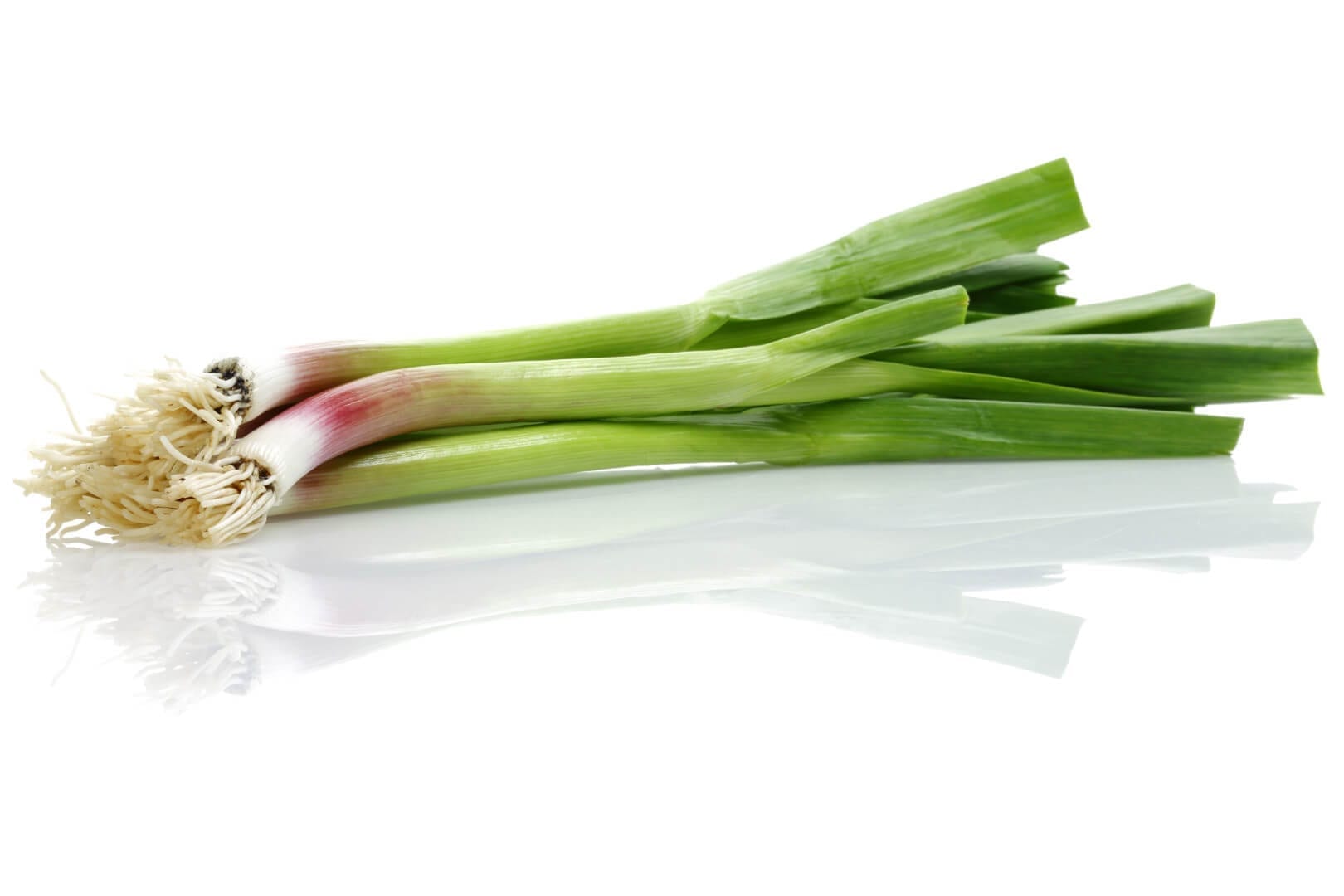 We aren’t talking about white bulb garlic here. Green garlic kind of looks like a large scallion and is available only in spring through early summer.
Look for: When it comes to green garlic look for crisp, firm stalks.
How to store: Just like leeks, green garlic is pungent and the flavor can seep into porous foods in your fridge. Wrap them loosely in a plastic produce bag and keep in your crisper for maximum of five days. Don’t wash until use.
Morels
These gourmet fungi are foraged in the wild in early spring. Unlike button mushrooms, this local produce contains trace amounts of toxins so they should never be eaten raw.,
Look for: Look for fresh, plump mushrooms. The ends shouldn’t look too dried or withered and avoid any that have bruises or look too soft.
How to store: Store morels loosely in a paper bag in the fridge. These can bruise (which leads to rotting) easily, so make sure the bag has some room on the shelf. Clean when ready to use by brushing off any excess dirt and running gently under cold water.
Peas
 All kinds of peas (sugar, snap, spring) come into season in spring and continue to be harvested through summer. Pea shoots are the exception, available only in spring.
Look for: Medium-sized firm, green pods. Avoid any that are discolored or wilting or any that have too thick a skin — those may contain peas that are more fibrous and tougher
How to store: Peas should be consumed quickly after being picked (they start losing sugar right away). So once you bring them home, use them. If you are storing, make it only for a day or two by placing them loosely in a plastic bag in the crisper drawer.
Ramps
These are the wild onions chefs go wild for. They are foraged in the spring and have a short shelf life — which is why you should buy as much as you can and make pickled ramps, ramps butter, dressings and more so you can enjoy them year round.
Look for: Bright green ramps with intact roots. Avoid any with slimy or wilted greens.
How to store: These are essentially wild leeks, so treat them the same way. Wrap in a damp paper towel and place in a sealable plastic bag, otherwise their flavor will seep into other foods.
Rhubarb
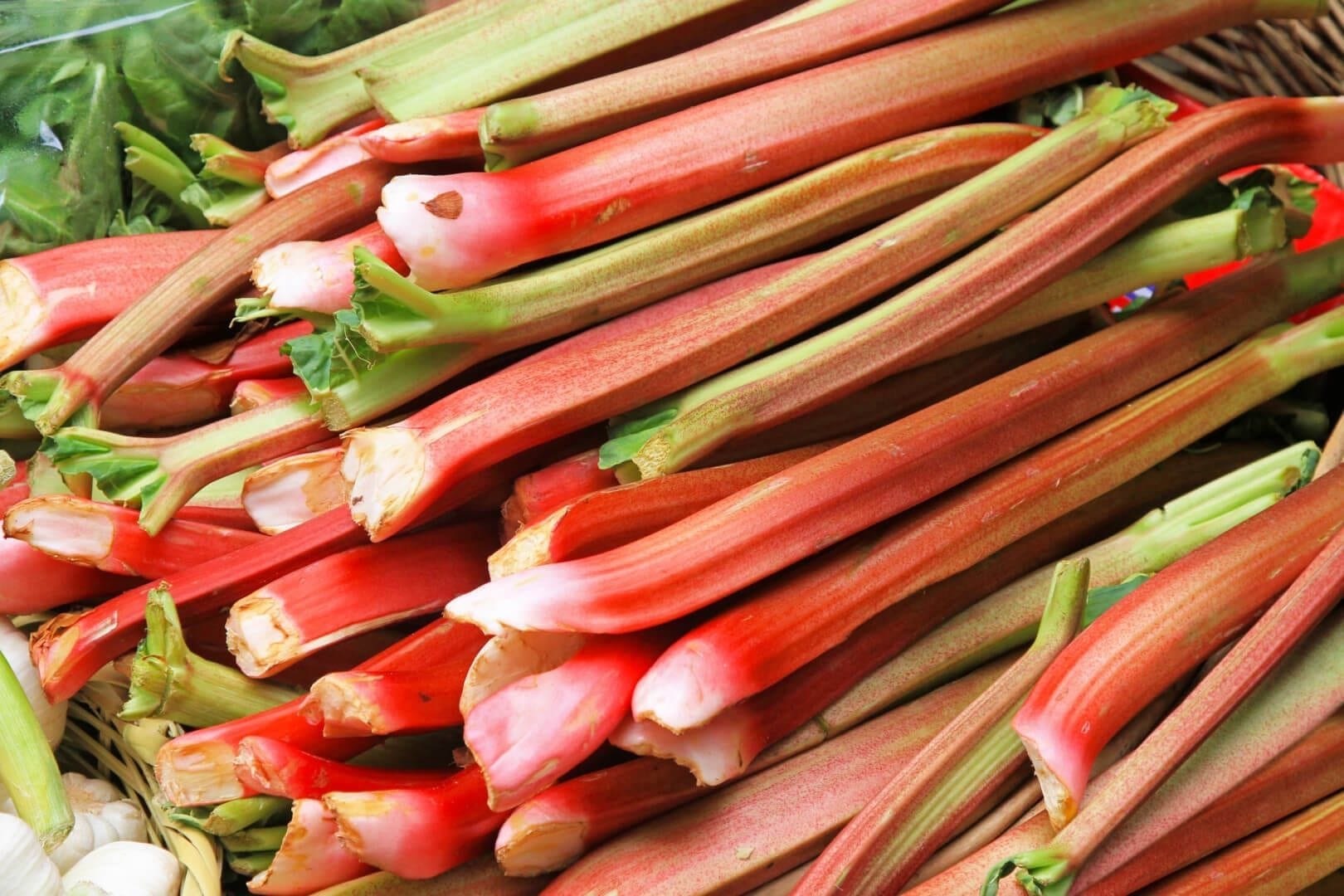 Rhubarb are some of the first fruits of the season. It is delicious in pie, obviously, and also makes a great compote, sauce and syrup. Don’t eat the leaves (slightly toxic); It’s the stalk you want from this local produce.
Look for: Heavy stalks with shiny skin.
How to store: Lose the leaves and store the stalks in a perforated plastic bag in the crisper drawer with humidity set on high. Don’t wash until ready to use. Rhubarb also freezes nicely. Just tightly wrap them in a freezer bag and you can store that way.
Strawberries
‘Tis the season for pick your own strawberry farm visits, and you have your pick from an abundance of them at your supermarkets and farmer’s stands.
Look for: Ripe, dry, firm berries with fresh green leafy caps
How to store: Keep them in the fruit basket you bought them in for up to 5 days. If the basket didn’t come with wrapping, cover it loosely with plastic wrap. If you have space in your fridge, remove them from the basket and place them in a single layer in a food storage container that seals. They will last longer this way.
Hero (Top) Feature Image: © PhotoSG / Adobe Stock
Additional Images (in Order) Courtesy:
Picture Partners / Adobe Stock
Željko Radojko / Adobe Stock
mates / Adobe Stock
meteo021 / Adobe Stock
markobe / Adobe Stock