The United States declared its independence on July 4, 1776. Americans celebrate this nearly 250-year-old tradition every year, often at a backyard barbecue. However, the events that preceded and followed were among the most grueling in the nation’s history. In this month’s Jersey Through History, we visit Fort Lee Historic Park to learn about some of them.
The American Revolutionary War lasted more than eight years, from the spring of 1775 to the end of summer 1783. Though the Continental Army won the war, some battles ended in loss or retreat. During these retreats the army regrouped, growing stronger and smarter, as they did after the Battle of Fort Lee.
More from Best of NJ
The Battle of Fort Lee
At the end of August 1776, the British defeated the Continental Army in the Battle of Brooklyn; thereby gaining access to the Port of New York. By mid-November, the British again defeated the Patriots in the Battle of Washington in Manhattan; marking perhaps the worst defeat of America during the entire war. The British, now controlling the Hudson River, made their way to Fort Lee to capture this territory as well. Outnumbered and on the verge of a disastrous battle, commanders George Washington and Nathanael Greene ordered their men to retreat; fleeing beyond both the Hackensack and Passaic Rivers.
This retreat set up a turning point in the war known as the “Christmas Conflicts”. On the night of Christmas 1776, Washington and his troops crossed the Delaware into Trenton; quickly defeating the Hessians at the Trenton Barracks. The Continental Army then continued, marching north to Princeton for another miraculous victory. This helped the Patriots regain control of New Jersey and reverse Great Britain’s early advantage.
Fort Lee Historic Park
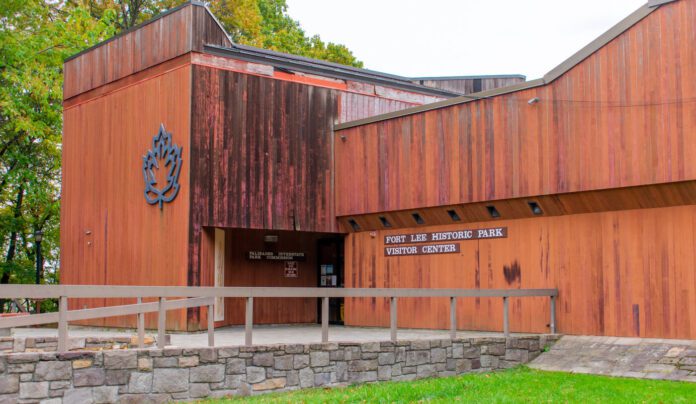
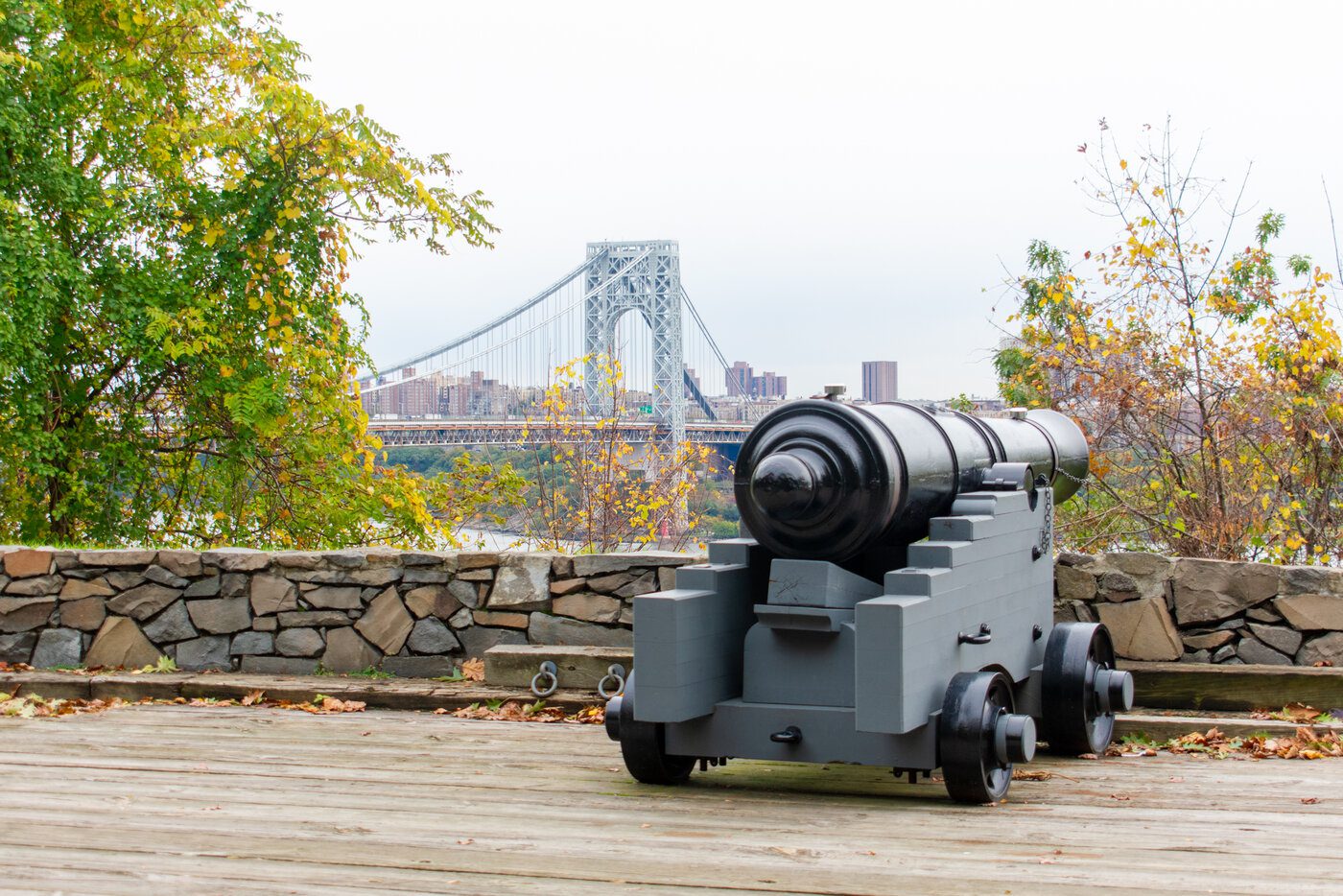
In present times, Fort Lee Historic Park is part of the Palisades Interstate Park system. The park sits atop a cliff overlooking the Hudson River, providing up-close views of the George Washington Bridge. (The entrance to the park is at the intersection of Hudson Terrace and Bruce Reynolds Boulevard.) It includes a reconstruction of a Revolutionary War encampment as well as a large visitor center and several scenic trails.
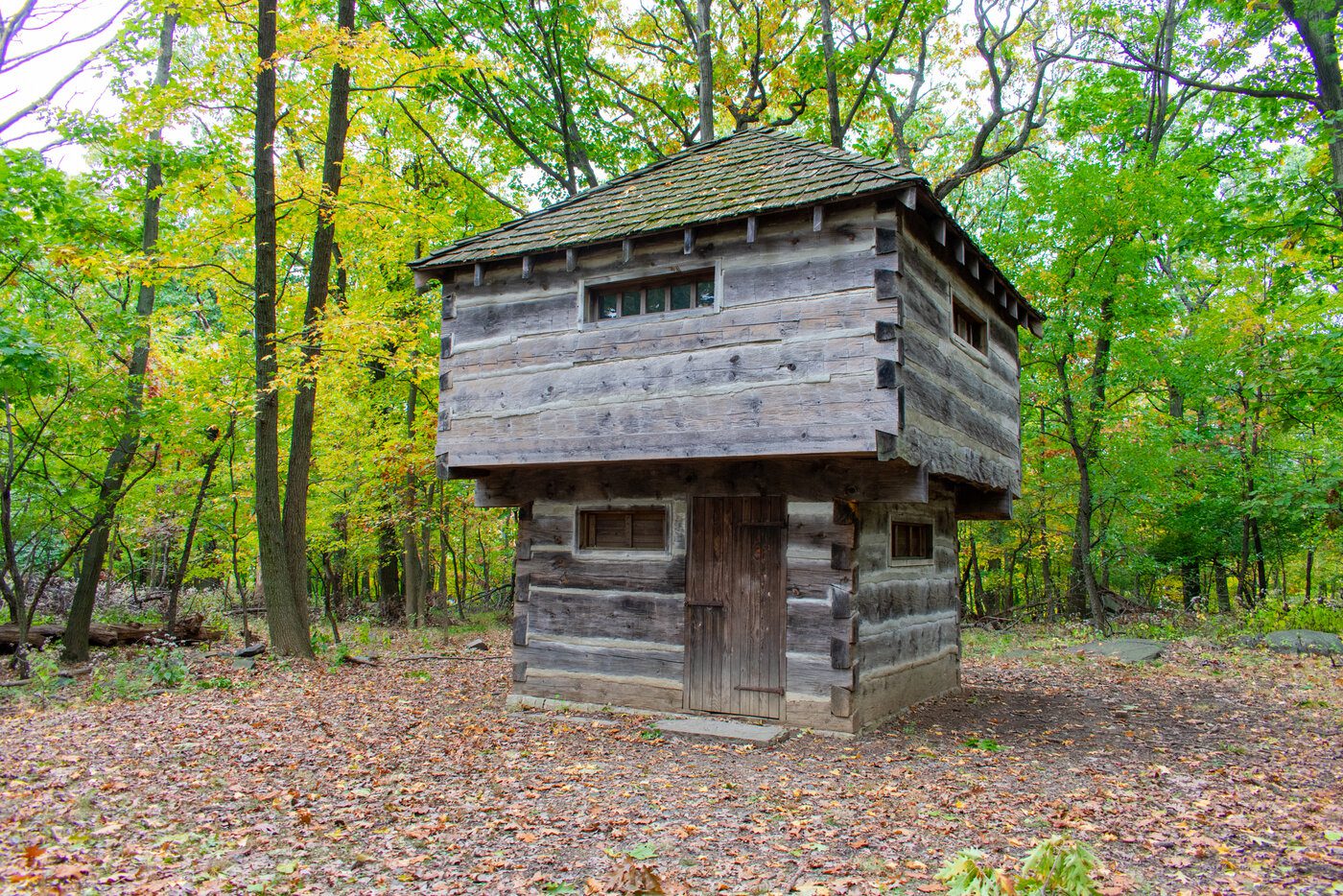
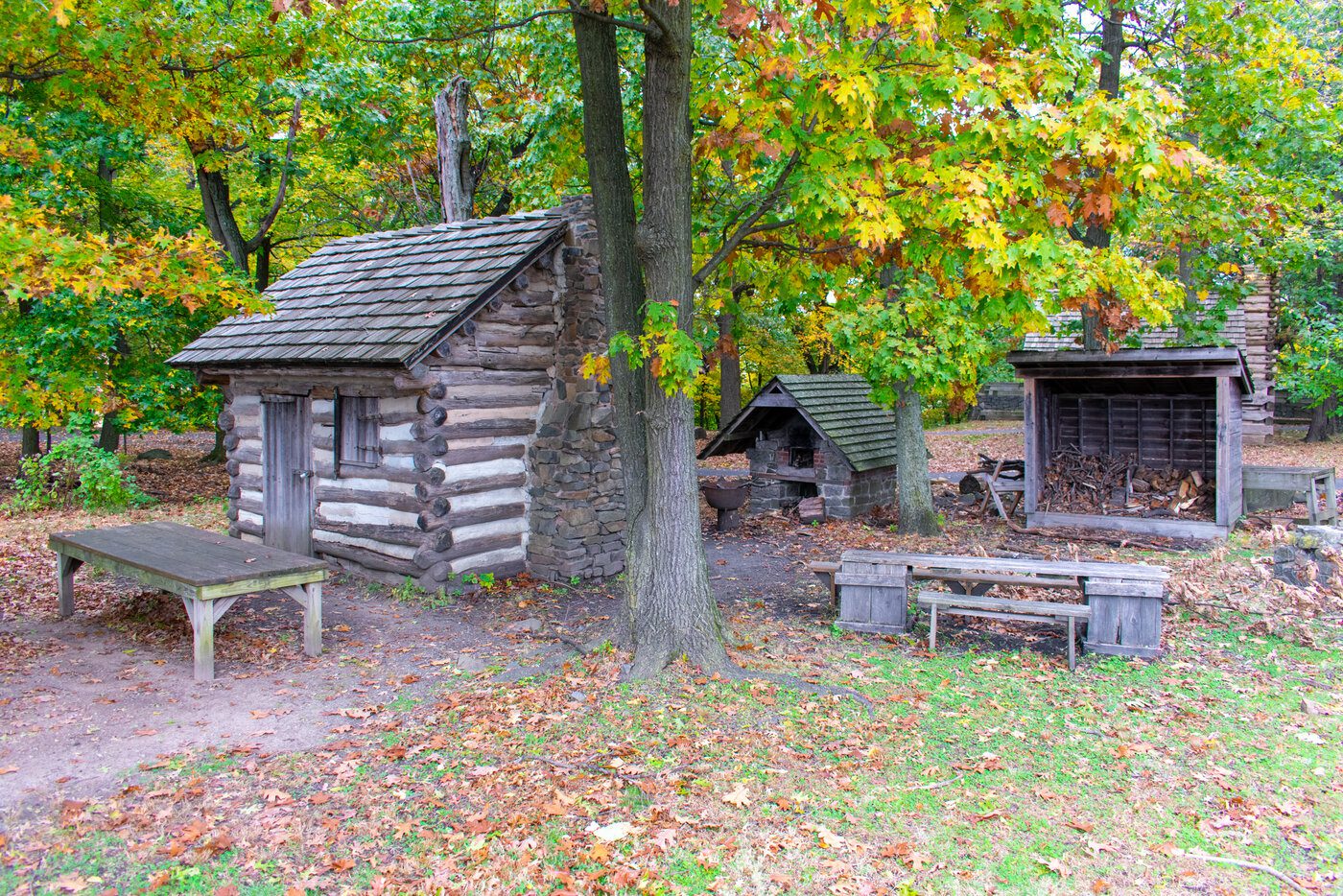
The visitor center on the premises contains many 18th century artifacts, including cannons, weapons, and art. Meanwhile, the south end of the park offers deeper looks into the past. For instance, the first edifice on the trail is the Block House, identical to its design during the war. Likewise, there is an officers’ hut with a full working fireplace next to the soldier’s hut; the latter has an exterior fireplace and picnic benches. The park also features several reconstructed batteries invaluable during the war. (Soldiers would construct a battery to position cannons and defend their encampment.)
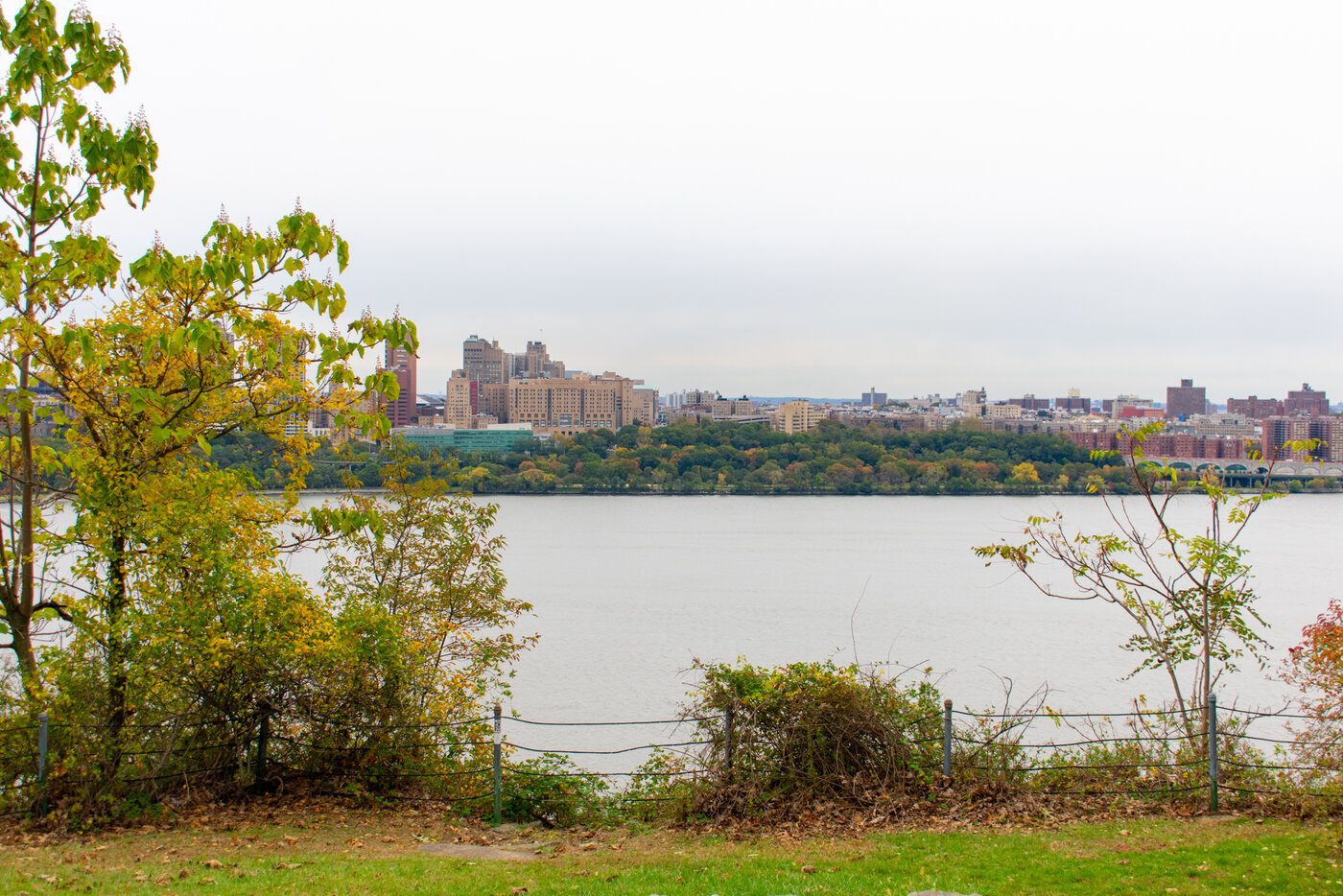
At the northern end of the park, opposite the visitor center, is the Fort Lee Historic Park picnic area. Visitors are welcome to bring lunch or snacks along with them and enjoy the scenic views. In addition to the George Washington Bridge, this spot overlooks the Shore Trail of Palisades Interstate Park.
Activities & Events at the Park
Fort Lee Historic Park hosts a number of reenactments as well as historical programs. In fact, every year the park hosts a “Retreat Weekend”. This event commemorates the Continental Army’s bravery and determination from the conclusion of the battle in November 1776. Volunteers dress in 18th-century attire and reenact moments of the battle and the arduous lifestyles of the time. Additionally, the park hosts numerous school field trips throughout the year; this helps students achieve a greater understanding of the American Revolution and New Jersey’s pivotal role.
Click Here For More Jersey Through History Stories.
All Photos: © Patrick Lombardi / Best of NJ