
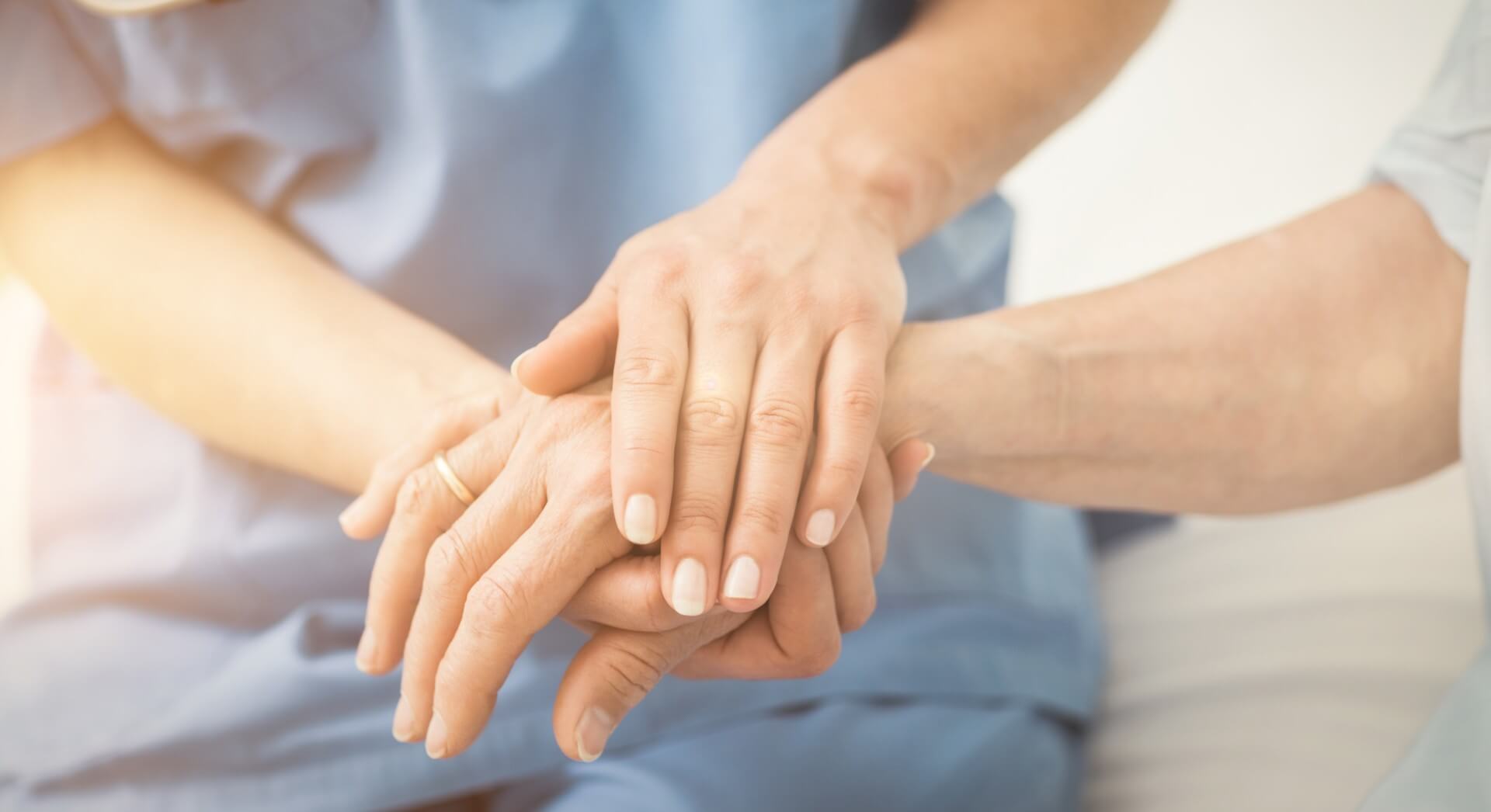
This 5 Nurses That Changed the World article is sponsored by All Women’s Healthcare.
It’s time to honor the men and women who care for us in our time of need. May 6 is National Nurses Day. What better way to celebrate than giving a shout-out to all the amazing nurses who have been saving lives for centuries? Let’s take a minute to honor the accomplishments of five incredible nurses who changed the world.
More from Best of NJ
Florence Nightingale
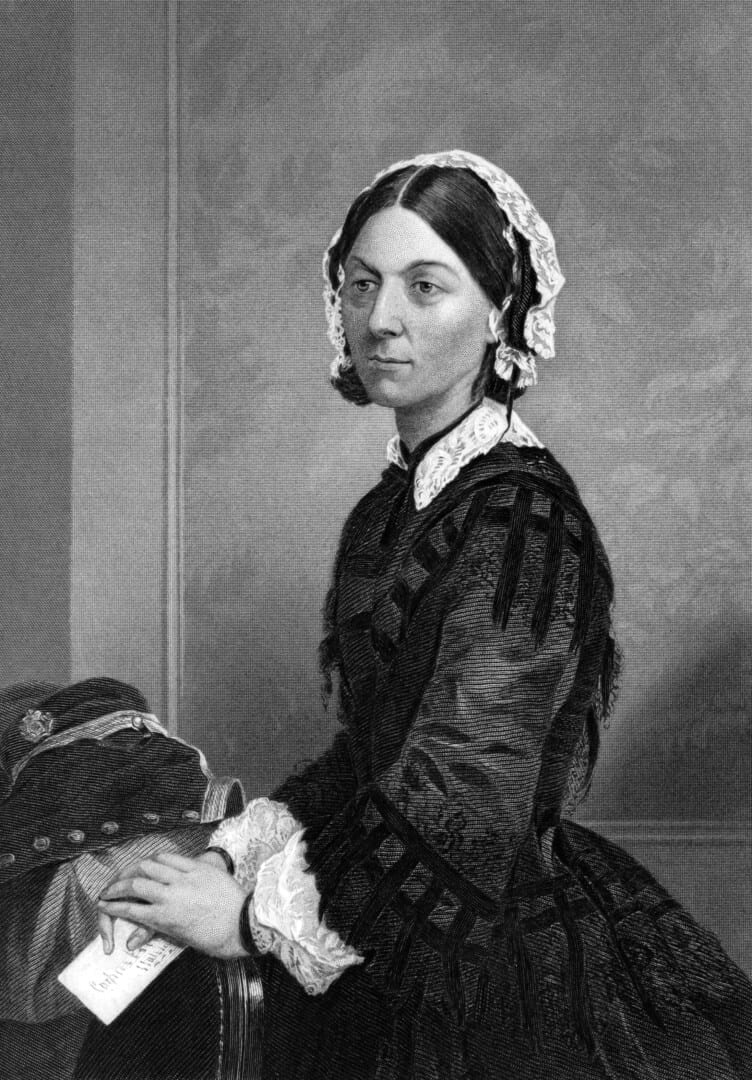
At the time of Florence Nightingale’s birth in 1820, nursing did not garner much respect. Her wealthy parents actually forbade her from pursuing the profession, but she ignored them. Nightingale saw so much success in her early career, that the British Secretary of War personally recruited her in 1854 to help the nation’s wounded soldiers in Crimea.
In the British hospital in Constantinople, Nightingale found conditions so unsanitary that more soldiers were dying from infections than from battle wounds. Nightingale and her team of nurses vastly improved sanitation, cutting the hospital’s death rate by two thirds. She then wrote a report on her experience in the hospital, which completely transformed the way Great Britain cared for its soldiers.
Nightingale returned home from the war as a heroin. Her valiant efforts had forever changed the face of nursing.
Clara Barton
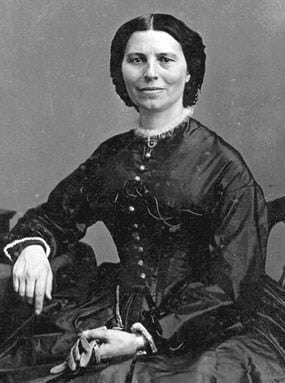
Without Clara Barton, there would be no American Red Cross. Barton was born in Massachusetts one year after Florence Nightingale was born. She did not go to nursing school, but became an independent nurse, using self-taught skills, during the Civil War. She became known as “the angel of the battlefield.”
Barton then went on to work for the International Red Cross in Europe during the Franco-Prussian War of 1870. When she returned home, she lobbied for the creation of the American Red Cross Society. After its founding in 1881, Barton became its first president.
Margaret Sanger
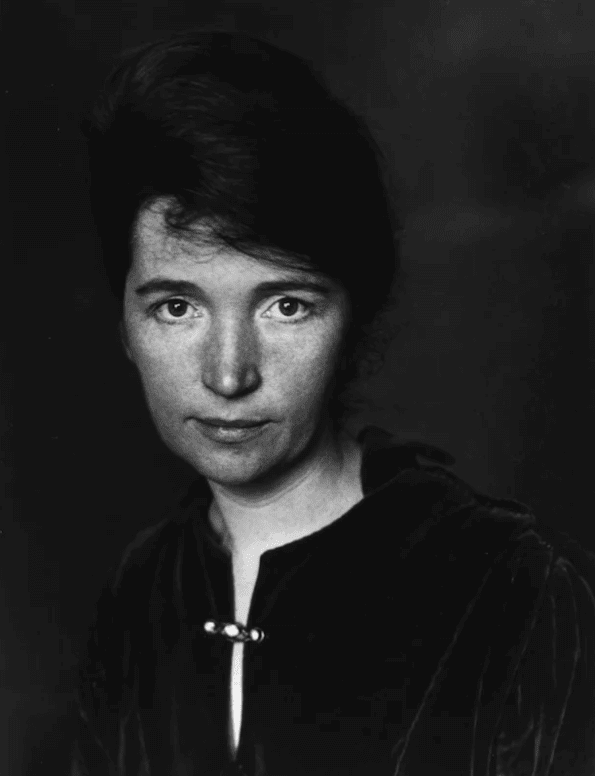
Although her affiliation with the eugenics movement complicates her legacy, Margaret Sanger is recognized as a critical figure in the women’s rights movement, due to her fierce advocacy for women’s reproductive freedom.
Margaret Sanger was born in 1879 and went to nursing school at the turn of the century. She spent her career pushing for legislative changes that would give women access to contraceptives. In 1916, she illegally opened a birth control clinic, and was soon convicted of violating the Comstock Law. She later got her conviction overturned and opened the first legal birth control clinic in the U.S. in 1923.
Susie King Taylor
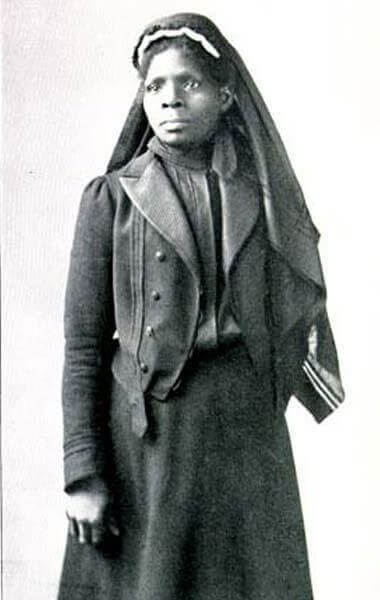
Susie King Taylor was a pioneer in that she was the first black army nurse. She was born into slavery in 1848 in Georgia, but when she was 7 years old her owner allowed her to go live with her grandmother in Savannah. Despite laws that prohibited formal education for black people, Taylor attended two secret schools taught by black women. This is where she learned to read and write.
During the Civil War, Taylor nursed a troop of black soldiers in South Carolina, teaching them to read and write. Later in life, Taylor served as the president of the Women’s Relief Corps, an organization that assisted soldiers and hospitals.
Anna Maxwell
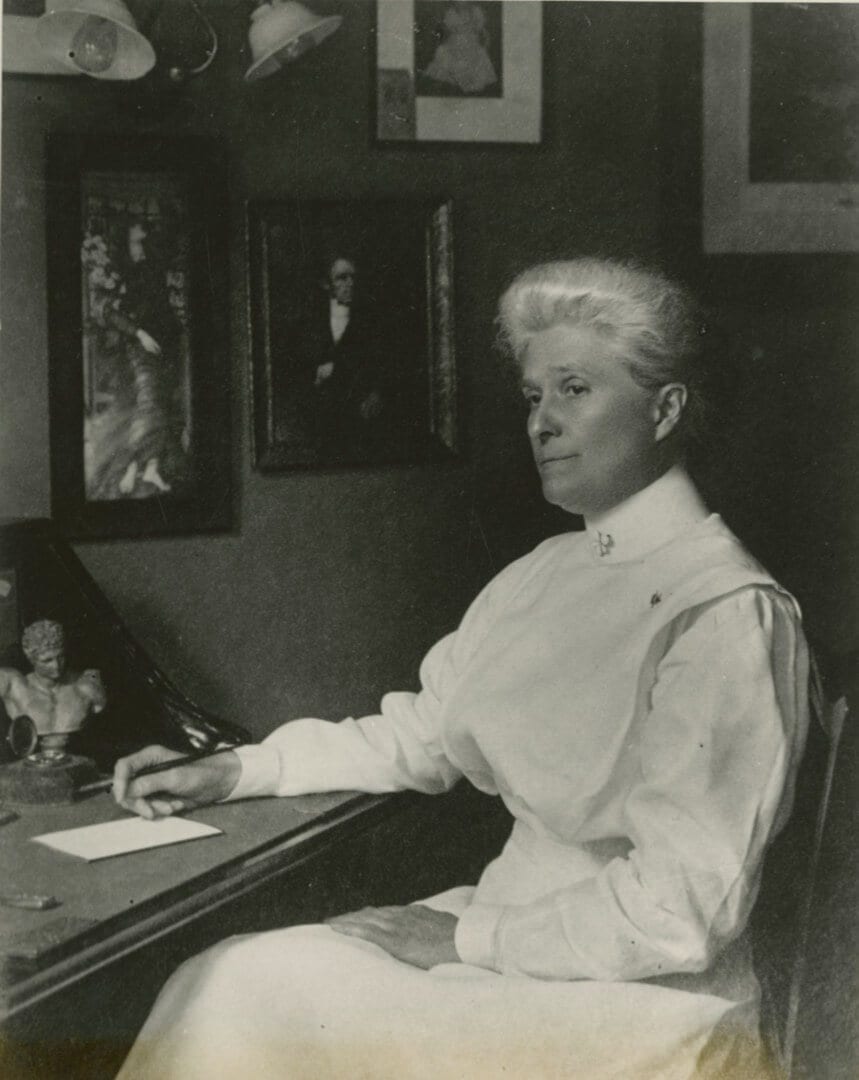
Anna Maxwell was known as the “American Florence Nightingale,” for the way she brought respect and nobility to the nursing profession. Born in 1851, Maxwell entered nursing school in 1878. Most know her for two major accomplishments; we celebrate her for helping establish the Army Nurse Corps and convincing the military to give official rank to nurses.
Maxwell also performed heroic work during World War I, serving as chief of New York Presbyterian Hospital and visiting hospitals at the frontlines in Europe. She received the Public Health Medal of Honor from France.
vectorfusionart / Adobe Stock
Additional Images (in Order) Courtesy:
Georgios Kollidas / Adobe Stock
National Park Service / Website
Time / Website
New Georgia Encyclopedia / Website
Columbia University School of Nursing / Website