
This Bariatric Surgery article is sponsored by RWJBarnabas Health.
35-year-old mother of three (and New Jersey native) Tamekia Reid used to weigh 260 pounds. She suffered from migraines and sleep apnea, frequently choking while she slept. Ms. Reid had to take medication for high cholesterol and prediabetes. She tried losing weight, but exercising was difficult. Thanks in part to the talented team at Robert Wood Johnson University Hospital Rahway who performed her bariatric surgery, however, those days are behind her.
Fourteen months ago, Ms. Reid, a resident of Carteret, underwent a laparoscopic sleeve gastrectomy, a type of weight loss bariatric surgery, at Robert Wood Johnson University Hospital Rahway. Today, she is down to 183 pounds. Her sleep apnea has gone away, her migraines have improved and she no longer needs medication for high cholesterol or prediabetes.
“I not only look smaller, I feel so much better,” Ms. Reid said.
* * * * *
Tamekia Reid finds Weight Loss Success in Bariatric Surgery
She learned about weight loss surgery by attending a seminar led by Dr. Anish Nihalani, Medical Director of the Surgical Weight-Loss Program at RWJ Rahway.
“I wish I had met Dr. Nihalani sooner,” Ms. Reid told Best of NJ, laughing, when asked if there was anything she wished she’d known before the surgery. “If I knew where to find the seminar sooner, that would have been great.”

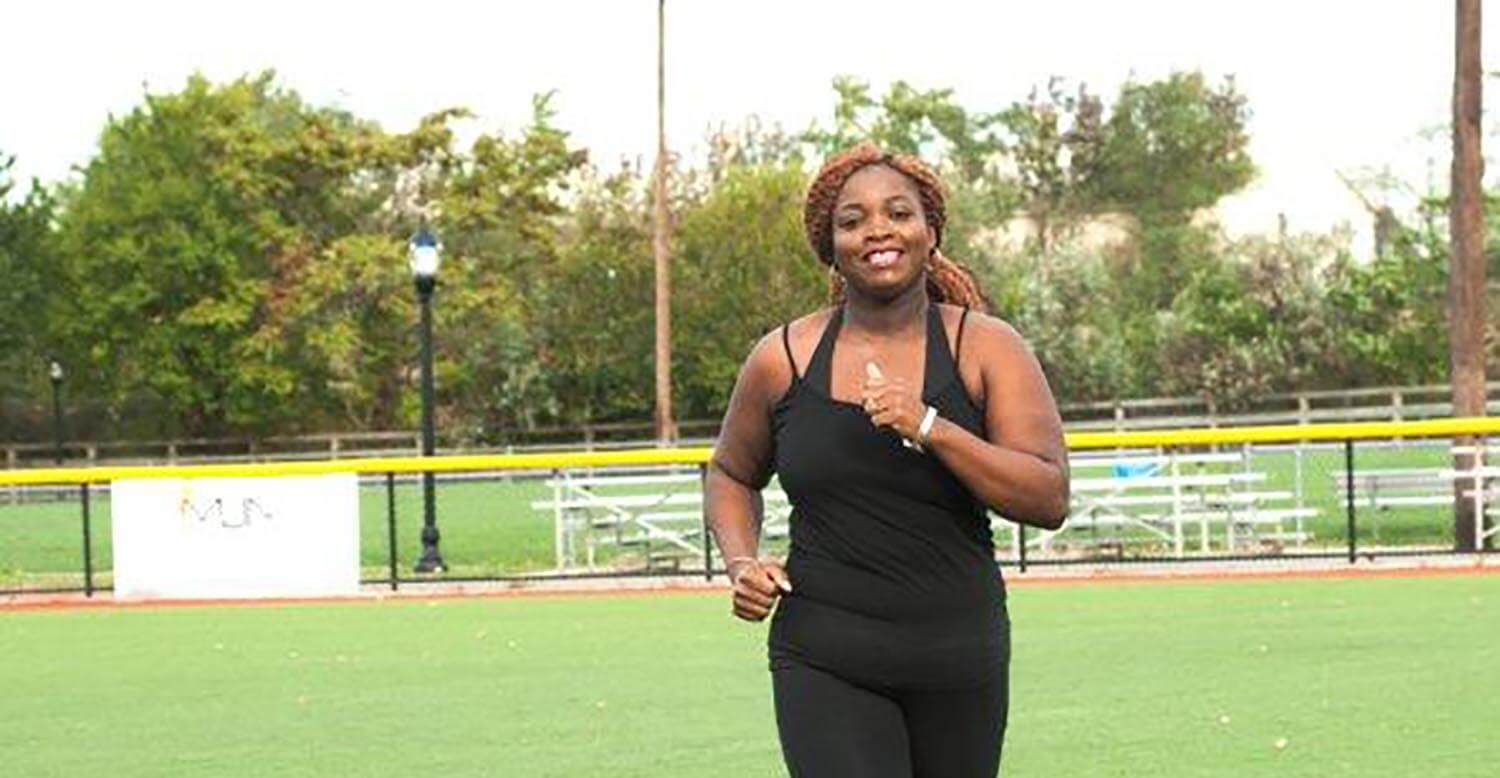
Ms. Reid’s bariatric surgery experience has been entirely positive. The procedure improved her health and enabled her to become more active; she can now run much farther without running out of breath. She highly recommends the surgery to anyone who struggles with health problems due to obesity.
“I suggest it 100 percent: Do the surgery because you will be amazed by the difference after the surgery. You get to sleep through the night—you don’t have to worry about jumping up to get your breath. If you were prediabetic, you don’t have to worry about taking that one little pill in the morning. Working out becomes much easier.”
Though surgery can help bring a patient down to a healthy weight; diet and exercise are also necessary in order to maintain weightloss. But according to Ms. Reid, having the surgery makes it easier to maintain a healthy lifestyle.
“When you see the weight you lost, it’s more motivation not to put the weight back on.”
Staying on Track
To keep herself healthy, Tamekia Reid exercises three times a week and takes care to make better food choices. She eats more fruits and stays away from fried foods and sodas. She also attended a Healthy Eating Tour at a local ShopRite, which was facilitated by Maria Bohn, the Bariatric Coordinator of the Surgical Weight-Loss Program at RWJ Rahway. Bohn is both a registered nurse and dietician.
“Active participation and interest by the patient strongly correlates with success,” said Bohn, “and Ms. Reid is proof of that.”
According to Dr. Nihalani, “Laparoscopic sleeve gastrectomy helps more than 85 percent of patients—who commit to a new lifestyle of exercising and eating right—to keep the weight off five to 10 years after surgery. This compares with only 10 to 15 percent of those who lose weight without surgery.”
For those wondering about the healing process, Tamekia Reid says her recovery was not difficult. She says she recovered easily because she closely followed the instructions from her care team at Robert Wood Johnson University Hospital Rahway.
“As long as you follow your doctor’s instructions and talk to your nutritionist, you will be perfect.”
All Photos: Provided by RWJBarnabas Health