

In the mid-1700s, the Burlington County area in the soon-to-be Garden State was bustling. While Philadelphia and New York fought fiercely to be the East Coast’s premier port city, New Jersey focused on ironworks. This leads us to our current Jersey Through History topic, the story of Atsion Mansion.
In 1739, Charles Read III (an entrepreneur from Philadelphia) became the court clerk of Burlington County, NJ. As a result, Read relocated to Burlington City. Five years later, by King George II of Great Britain’s appointment, he became Secretary of the Province. This highly respected position came with a considerable salary. Then, within weeks of this position, Read was also appointed a surrogate of the prerogative court by Governor Lewis Morris.
More from Best of NJ
Atsion Gets Its Name
Over the following decades, Read took on many positions within New Jersey government. However, he also enjoyed dealing in real estate and business development; throughout the 1740s and ’50s, Read bought and sold thousands of acres of land in Burlington County. Then, by the end of 1765, Read constructed an iron forge and named it Atsion.
Unfortunately, in the early 1770s, Read suffered financially and had to sell his shares of Atsion. The forge’s new owners found success through the early 1820s, adding a furnace, three sawmills, and a grist mill. In 1824, Philadelphian ironmaster Samuel Richards purchased the property. He led Atsion to its most successful period in history. It was Richards who erected the Atsion Mansion, as it is known today, to serve as his summer home.
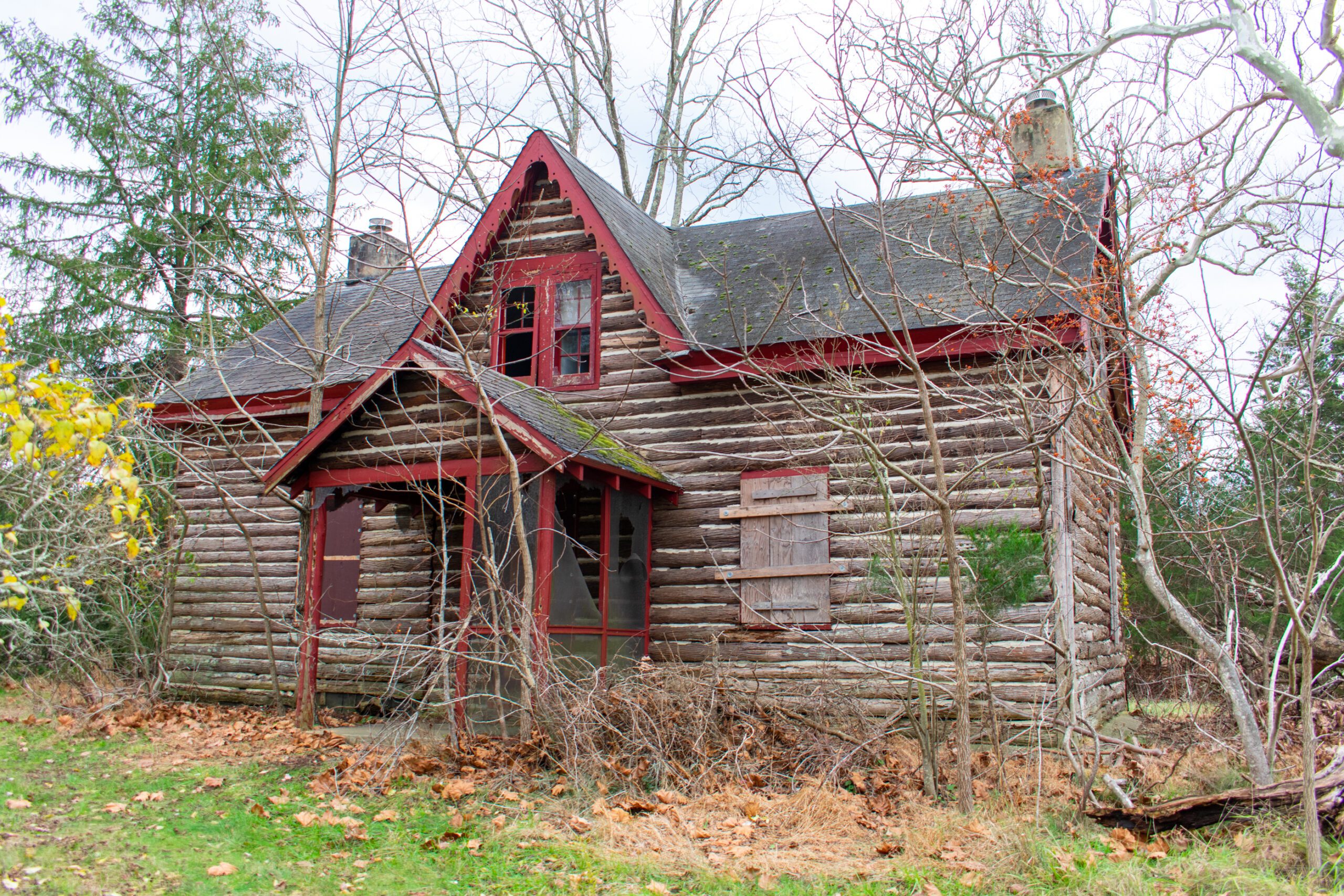
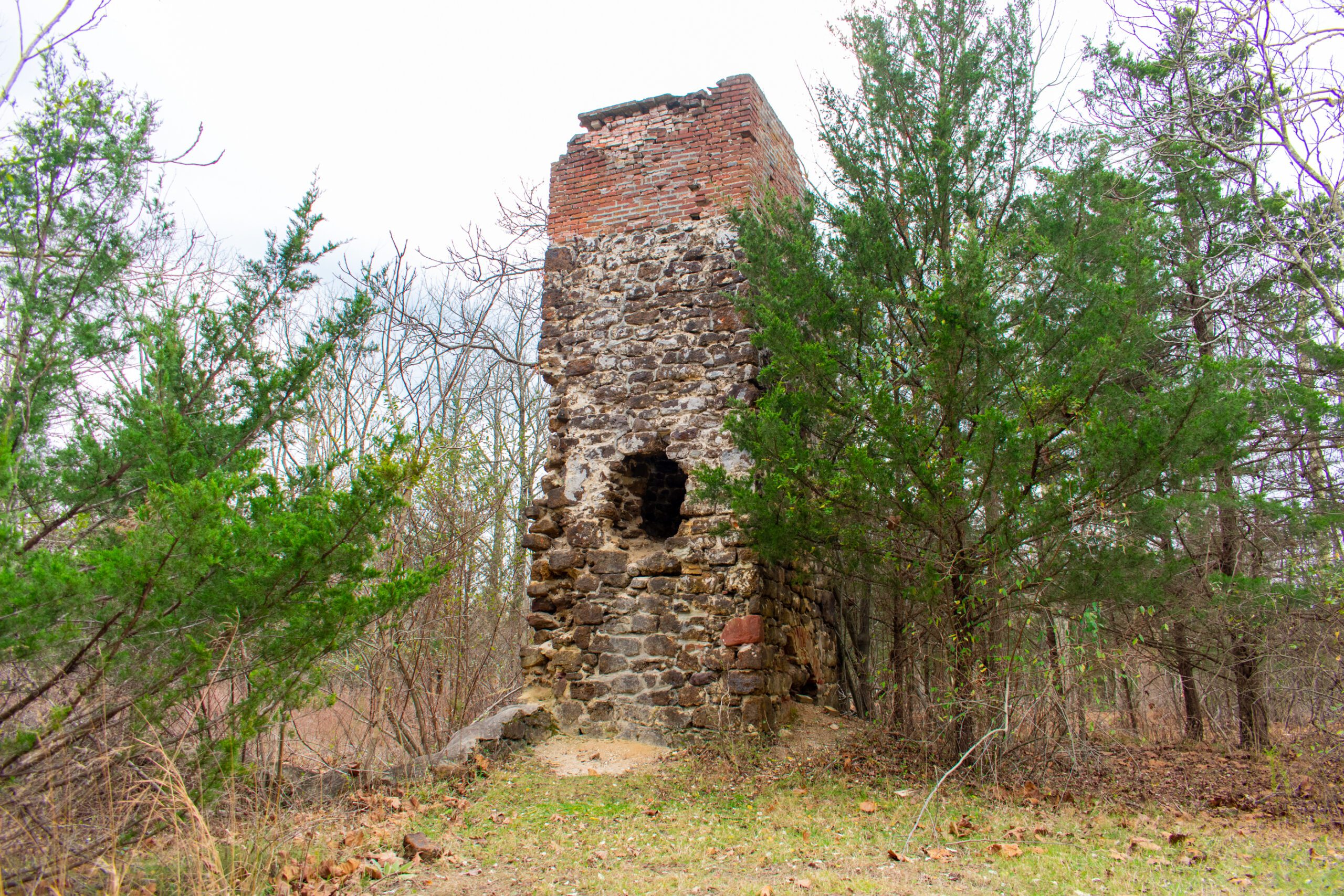
Richards further commissioned the construction of a church, a general store, and several other dwellings for his workers. Richards had roughly 100 men working for him at any given time. They produced equipment for Philadelphia’s water works as well as castings for the bridge crossing from Trenton into Pennsylvania. Richards also operated Atsion furnace, which still stands along the Mullica River today.
Richards died in 1842, just as the iron industry began to decline. Over the next five decades, all efforts to revitalize business on the land failed. In 1892, wealthy industrialist Joseph Wharton purchased the land, in addition to large tracts of land in the Pinelands. By the time of his death in 1909, Wharton acquired nearly 100,000 acres of land; most of it has never been developed and makes up much of the Wharton State Forest we know today.
Atsion Mansion in Modern Times
In 1954, the State of New Jersey purchased the Atsion Mansion and the surrounding property. The Atsion Mansion has since been renovated to reflect the way it was in 1826. For instance, the only sources of heat are the fireplaces, and the building does not have any electricity or plumbing. The home is unfurnished, and tours instead focus on the Greek Revival style architecture; a sign of opulence for the time.
Parking for Atsion Mansion is accessible off Route 206 in Vincentown (Southampton Township). The mansion is directly adjacent to the Atsion Lake and Atsion Recreation Area. The general store is still in use today as the Atsion Office of the Wharton State Forest. You’ll also find remnants of structures from Atsion’s time as a bustling industry. Directly south of the mansion is the Atsion Furnace, near the boat launch for Mullica River. Of course, all of these locations serve as a glimpse into the innovative iron industry of the Garden State.
Click Here For More Jersey Through History Stories.
All Photos: © Patrick Lombardi / Best of NJ