
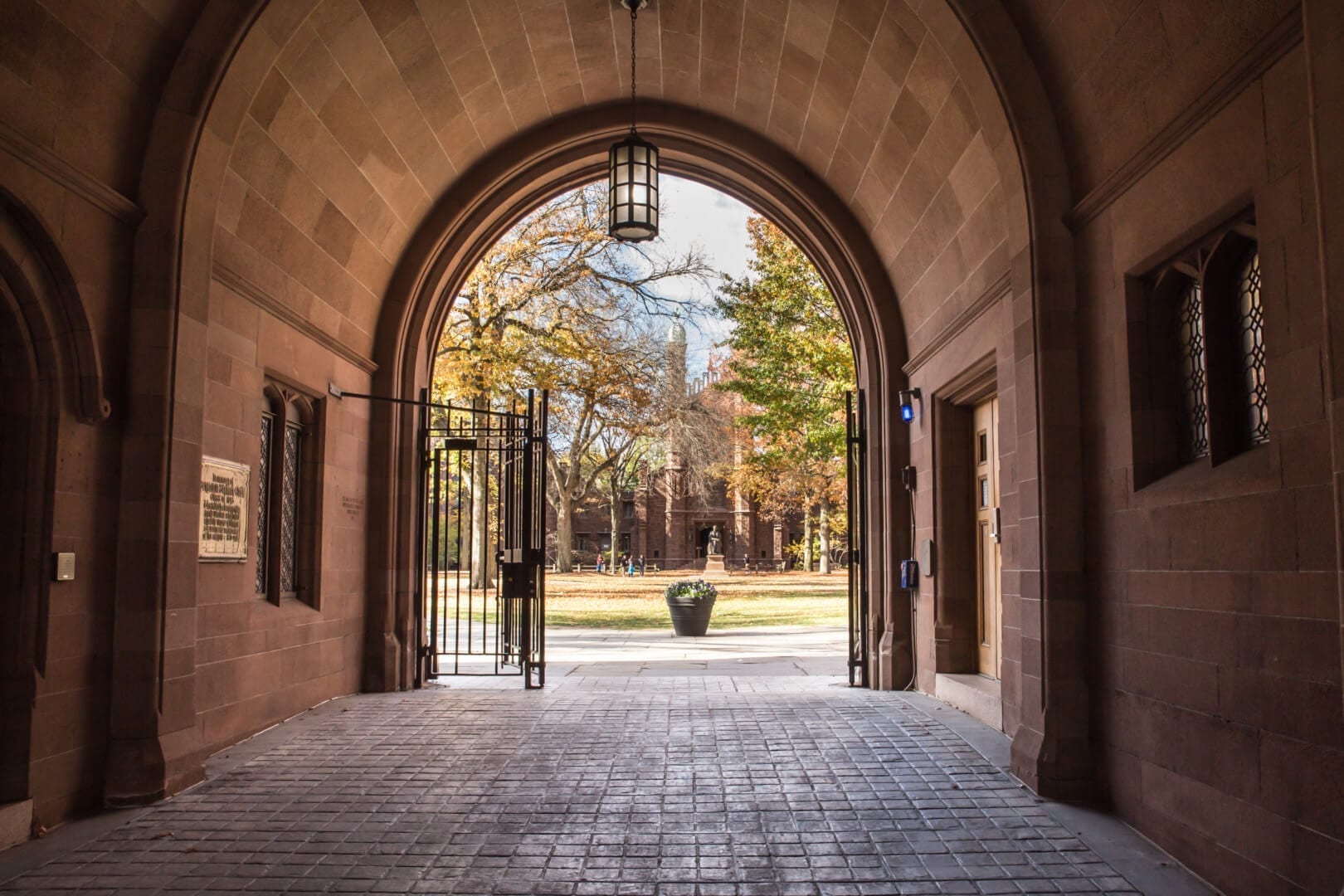
As the school year ends, many senior students discuss which schools they plan to attend. Among the names are many well-known state schools as well as a few elite Ivy League schools; but then there are those schools you’ve never heard of before. These private schools focus on a specific field or discipline for students who know what they want.
Now that you’re starting the college search yourself, you may find there are many more options available. New Jersey alone has over 75 different institutions of higher learning! So what’s the deal with all of these “other” schools? Let’s explore the major differences between public schools and private schools.
[bibblio style=”bib–row-3 bib–hover bib–white-label bib–font-arial bib–default bib–size-16 bib–shine” query_string_params=”eyJ1dG1fc291cmNlIjoiQmliYmxpbyIsInV0bV9tZWRpdW0iOiJNb2R1bGUiLCJ1dG1fY2FtcGFpZ24iOiJSZWNvbW1lbmRhdGlvbnMifQ==” recommendation_type=”optimised”]
Tuition Cost
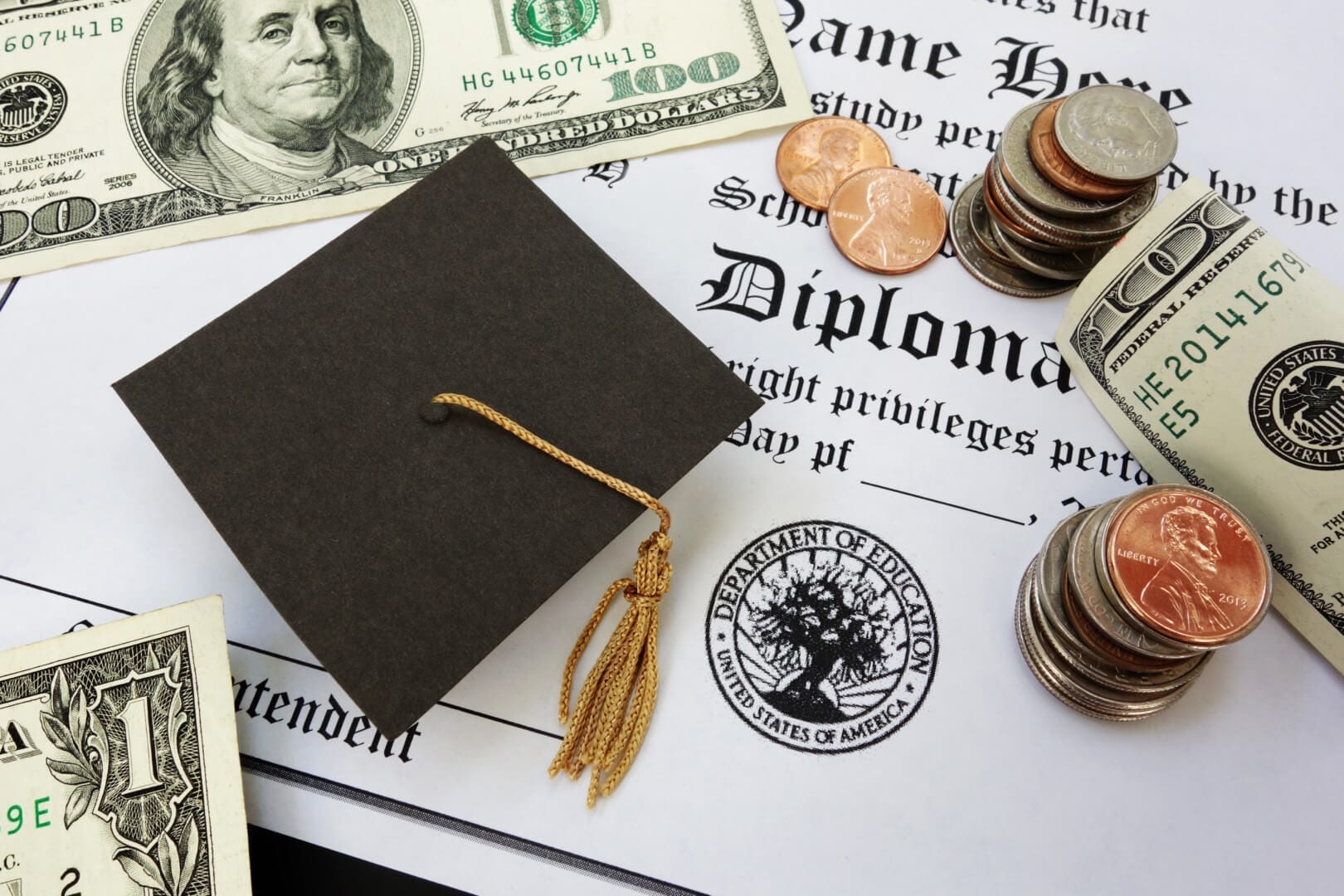
The most common difference between public and private schools is the cost of tuition. The prevailing theory is that private institutions, because they’re not affiliated with the government, are more expensive. To understand why this thought is so common, though, it’s important to know where funding comes from. Public schools receive the majority of their funding from the state government, while private schools receive donations and tuition.
However, it’s not uncommon for private schools to offer students a wide variety of scholarship opportunities to help offset tuition. Public schools, as their funding comes from the state, have more regulations concerning the allocation of funds. of course, the types of scholarships available varies from school to school; but it’s important to note that just because a school is private, doesn’t mean it’s not affordable.
Programs of Study

State schools are known for being large institutions, with so many options it’s almost dizzying! For some, choosing a major from over three hundred choices is ideal, while others prefer picking from a narrower, curated list of related fields. That’s not to say a public school won’t have a specialty or excel in a particular subject. Typically, public schools offer quality programs in a wider variety of subjects, providing the most options for their students.
Of course, for the passionate artist or die-hard computer programmer, an art school or technology institute might be a better fit. For example, a state school may have an Art History major, but an art school might offer something like “Restoration of Medieval Woodcuts” as a major through its Art History Department.
Campus Size & Resources
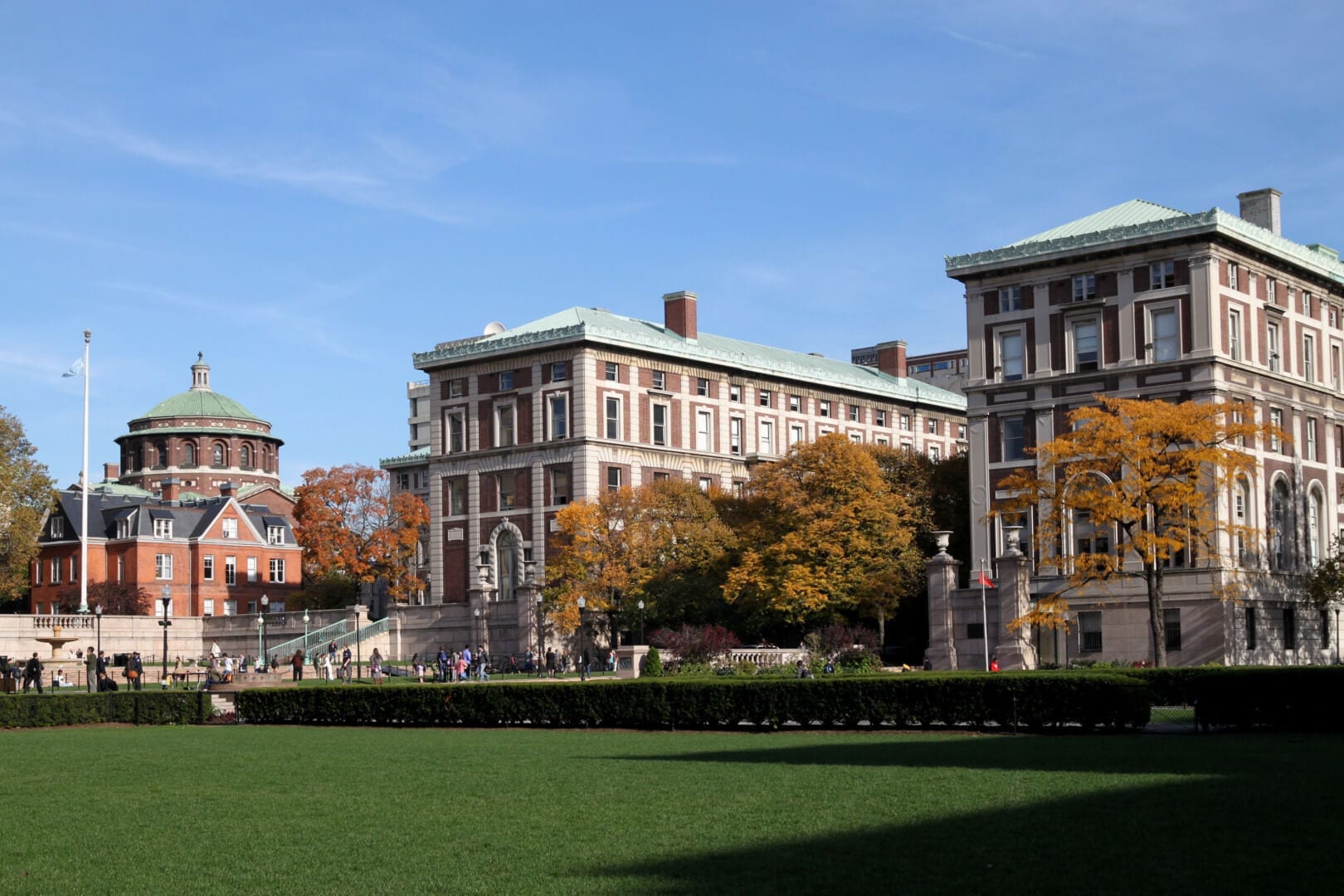
While there are many private schools with over ten thousand students enrolled, you’ll often find that they tend to be smaller when compared to state colleges and universities. Large size typically equates to more available campus resources, though that is not always the case. A state university might have study abroad options in seventy five different countries, while a private school offers twenty or thirty.
Larger institutions sometimes have a wider variety of student clubs and intramural sports, as they are catering to a more diverse student body. Along those lines, the culture at public schools can be very different, as they often bring together students from across the country and even around the world.
Hero (Top) Feature Image: littleny/Adobe Stock
Additional Images (in order) Courtesy:
zimmytws/Adobe Stock
diego cervo/Adobe Stock
Sam Spiro/Adobe Stock
 Anthony Muccio is a former college admissions professional and education researcher currently advising students one-on-one with his private practice. After years working at large state and small private schools, he decided to spend time focusing on helping unique learners reach their full potential.